DRYLAND HARVEST
Tamarind
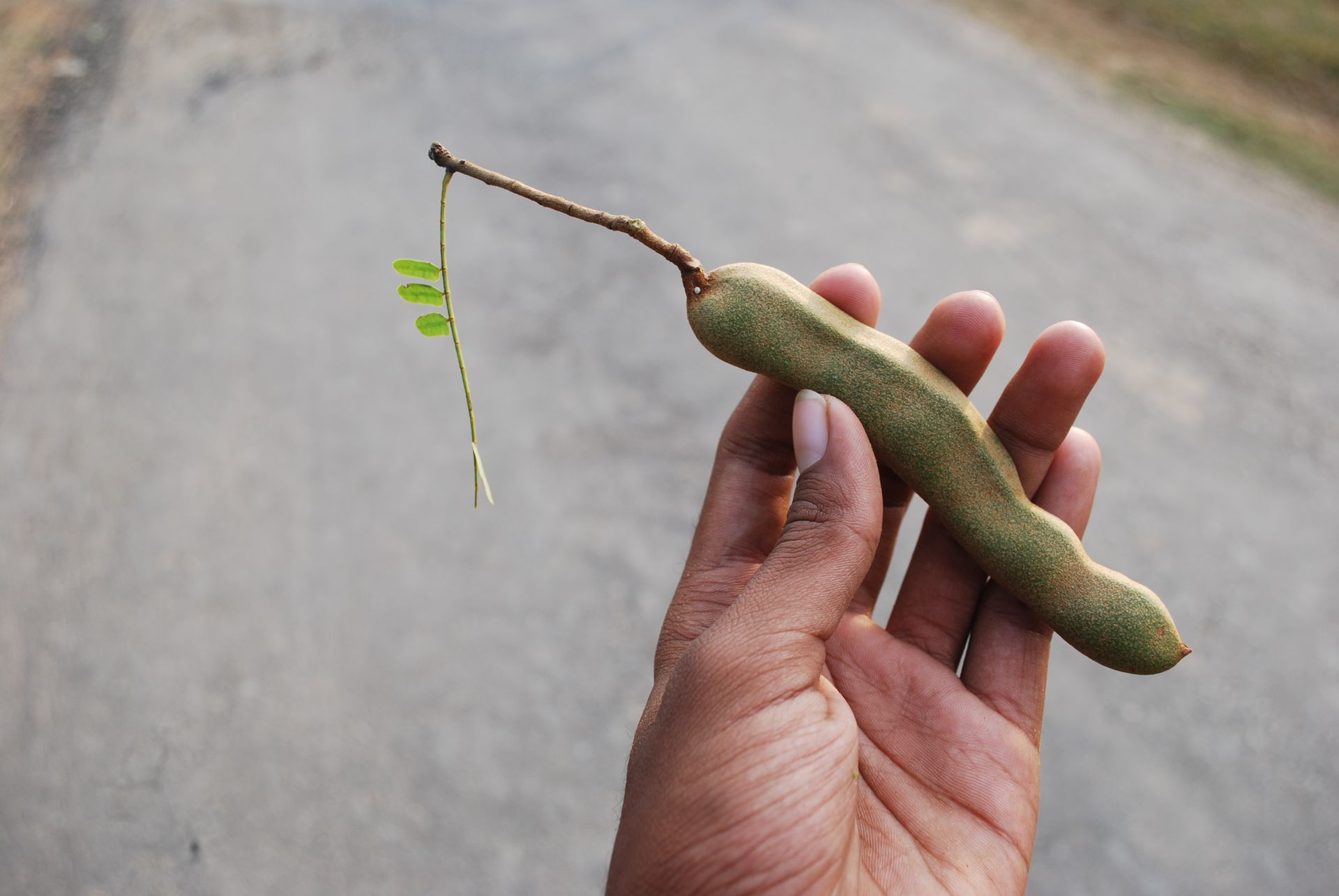
Wild and semi-cultivated tamarind from the Eastern and Coastal regions. Available as whole pods, semi-dried pulp, and processed paste/concentrate. Steady demand from Indian processors, Gulf ethnic-food wholesale, and EU ingredient importers.
- EU novel-food authorised (baobab fruit pulp)
- Lab-tested every batch
- Lot-level traceability
- Organic certification in progress
“Every lot can answer for itself.”
— Omnisource traceability promise
Our tamarind is wild-harvested, collected from living trees by local collector groups — most of them women — in the drylands of Kitui, Makueni and the Kilifi coast. No tree is cut. No spray ever touches these trees; they simply grow. Every bag is tagged with its collection area on the spot. That tag becomes the lot code on your Certificate of Analysis.
SPECIFICATION
Product specification
- Forms available
- Whole pods · semi-dried pulp · paste/concentrate
- Pod quality
- Mature brown pods, no fermentation, no wet pulp
- Pulp quality
- Characteristic tangy flavour, no foreign matter
- Packaging
- Food-grade sacks / sealed containers, buyer-specified
- Storage
- Cool, dry, ambient
- Traceability
- Lot code (region–agent–date)
Analytical profile (typical / batch-specific)
- Moisture (pulp/paste)
- ≤ 20 % (buyer-verified)
- Tartaric acid (paste, typical)
- 8 – 18 %
- Brix (concentrate, typical)
- 55 – 65 °Brix
- pH (paste, typical)
- 2.8 – 3.5
- Foreign matter
- None visible
- Aerobic plate count
- ≤ 1.0 × 10⁵ CFU / g
- Yeast and mould
- ≤ 1.0 × 10³ CFU / g
- Salmonella
- Absent in 25 g
All analytical values are typical or target ranges. The batch Certificate of Analysis confirms actual values for every shipped lot.
APPLICATIONS
How buyers use tamarind
Food
Tangy, clean-label acidulant for sauces, condiments, spice blends, ethnic retail and seasoning applications.
Typically 2 – 12 % depending on form and end use
Applications
- Sauces and condiments
- Spice blends
- Ethnic food retail
- Seasonings and marinades
DOCUMENTATION
Documentation with every order
- Certificate of Analysis (per lot)
- Certificate of origin (KNCCI)
- Phytosanitary certificate (KEPHIS)
- Allergen statement

Files sent on qualified request, not as public download.
Request a sample of Tamarind
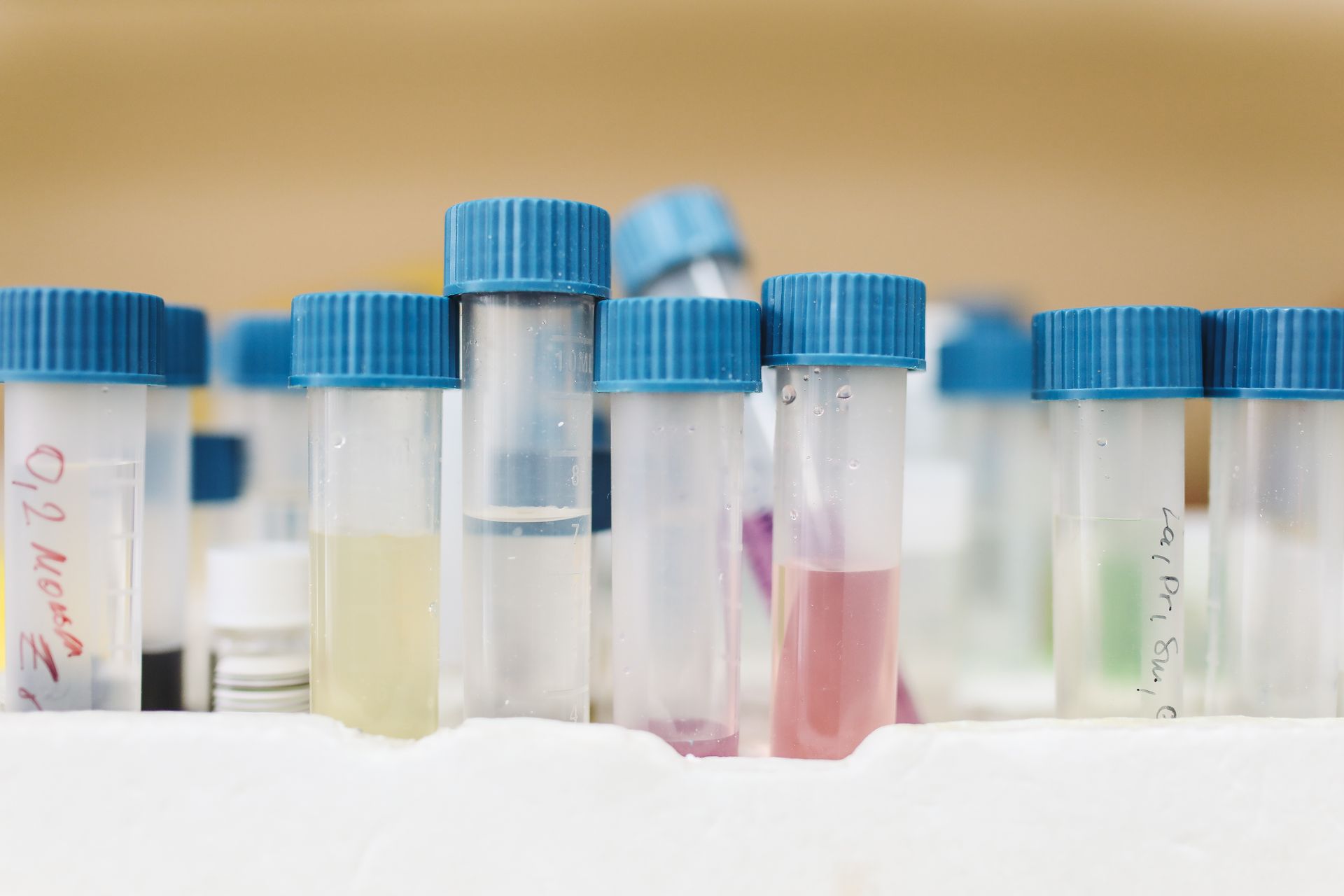
We'll send a sample pair — one for your lab, one for your bench — with the specification and batch certificate attached.